
The cultural impact of gambling throughout history
The Origins of Gambling in Ancient Civilizations
Gambling can trace its roots back to ancient civilizations, where games of chance were often linked to rituals and social practices. The earliest evidence of gambling dates back to around 3000 BC in China, where tiles were found that suggested a rudimentary game of chance. These early forms of gambling often served not only as entertainment but also as a method of divination or decision-making, embedding themselves deeply into the social fabric of these cultures. Today, sites like Playojo continue this tradition, offering modern players a variety of options to enjoy.
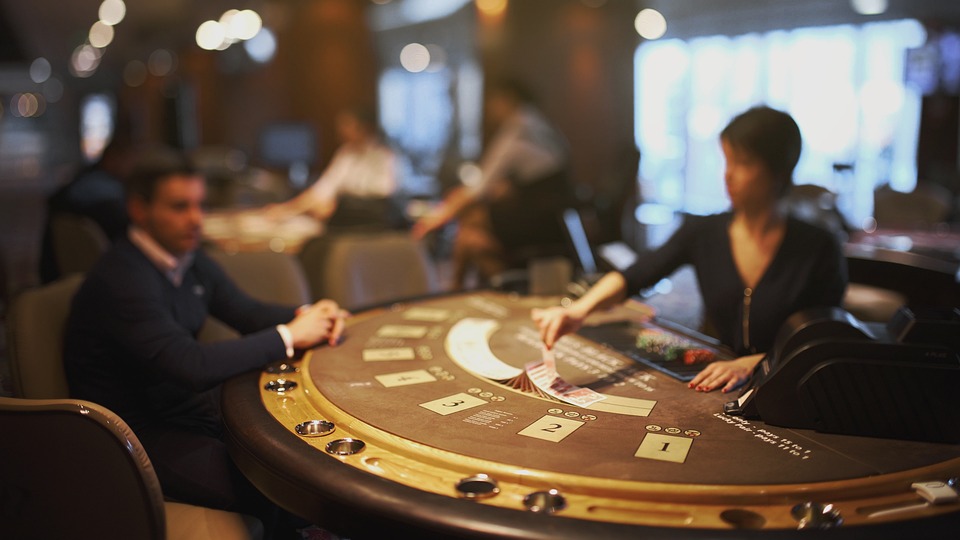
In ancient Rome, gambling became a popular pastime among citizens, transcending class boundaries. The Romans utilized dice and betting games at social gatherings, further entrenching gambling as a significant cultural activity. Laws governing gambling were introduced, reflecting its pervasive nature in society. Gladiatorial games and chariot races were often accompanied by bets, illustrating how gambling and sporting events became interlinked as communal entertainment.
These historical instances demonstrate how gambling was not merely a diversion but a crucial aspect of social interaction. It allowed for camaraderie among players while also serving as a reflection of the values and practices of the time. The blending of gambling with religion, sports, and entertainment highlighted its importance in ancient social structures, establishing a foundation for gambling’s evolution through history.
Gambling in the Middle Ages and Renaissance
During the Middle Ages, gambling was often looked down upon by religious authorities, yet it persisted as a popular activity among the populace. Games like dice and cards were prevalent in taverns and homes, creating spaces for socializing and leisure. However, this period also saw the rise of gambling as a structured activity, with the establishment of official gaming houses in various regions, particularly in Italy, which would later influence modern casinos.
The Renaissance brought about significant changes in attitudes towards gambling, as humanism encouraged a focus on individual experience and pleasure. This shift allowed for the flourishing of card games, leading to the creation of games like poker and various other gambling forms. The emergence of gambling-focused literature during this time reflected the fascination with games of chance, further illustrating its cultural significance.
Renaissance art and literature often depicted gambling scenes, emphasizing its role in society. These depictions demonstrated both the allure and dangers of gambling, creating a nuanced understanding of its impact on human behavior. This era laid the groundwork for modern gambling practices, as the merging of art, literature, and games set a precedent for how gambling would continue to evolve in subsequent centuries.
The Rise of Casinos and Modern Gambling Culture
The 17th and 18th centuries marked a significant transformation in the gambling landscape with the establishment of casinos. The Casino di Venezia, opened in 1638, is often recognized as the world’s first official casino, setting a precedent for the modern gambling industry. These establishments became centers of social life, catering to the elite while also remaining accessible to the general population, thereby democratizing gambling.
As gambling expanded into the Americas, particularly during the Gold Rush, it became intertwined with the frontier spirit. The allure of quick wealth created a unique gambling culture that included poker, faro, and other games. This fusion of risk and reward resonated deeply within the American psyche, leading to an almost romanticized view of gambling as an avenue to fortune and adventure.
The 20th century ushered in further changes with the legalization and regulation of gambling in various jurisdictions. The rise of Las Vegas as a gambling mecca showcased how casinos could be crafted into elaborate entertainment complexes. This cultural shift marked the transition of gambling from a mere pastime to a multi-billion-dollar industry, influencing not only economies but also lifestyles and social interactions across the globe.
The Influence of Technology and Online Gambling
With the advent of technology, the gambling landscape underwent another dramatic transformation. The introduction of the internet in the late 20th century allowed for the emergence of online gambling platforms, providing unprecedented access to games and betting opportunities. This digital shift changed how people engage with gambling, enabling players to participate from the comfort of their homes while facilitating an entirely new social dynamic.
Online gambling has expanded the global reach of gaming, attracting a diverse audience and fostering new cultural exchanges. Virtual casinos offer a vast array of games, drawing in players from different backgrounds and regions. This democratization of gambling has created online communities that reflect diverse cultural norms and practices, allowing for the blending of traditional games with modern technology.
However, the rise of online gambling has also prompted discussions about regulation, addiction, and the ethical implications of digital gaming. As society grapples with the consequences of easy access, the conversation around responsible gaming and consumer protection continues to evolve. This interplay of technology and gambling illustrates how cultural practices adapt and respond to changing societal norms and technological advancements.

Playojo: A Modern Online Gaming Experience
In today’s digital age, Playojo stands out as a premier destination for online gaming excellence. With a vast selection of over 5,000 games, including popular slots and live dealer options, Playojo offers an engaging and diverse experience for all players. The site emphasizes transparency with no wagering requirements and instant cashback, ensuring that players can enjoy their winnings without unnecessary obstacles.
Playojo’s commitment to a safe and secure gaming environment reflects the evolving expectations of modern players. With fast payouts and 24/7 customer support, the platform is designed for a seamless and enjoyable gaming journey. This focus on user experience not only enhances player satisfaction but also contributes to the ongoing cultural evolution of gambling in the digital realm.
As gambling continues to grow and adapt, platforms like Playojo highlight the importance of innovation and community within the online gaming industry. With a dedication to player-centric features and a vast array of games, Playojo captures the essence of modern gambling, making it an exciting option for both seasoned players and newcomers alike.